Table Saw Troubleshooting: Common Issues And Quick Solutions
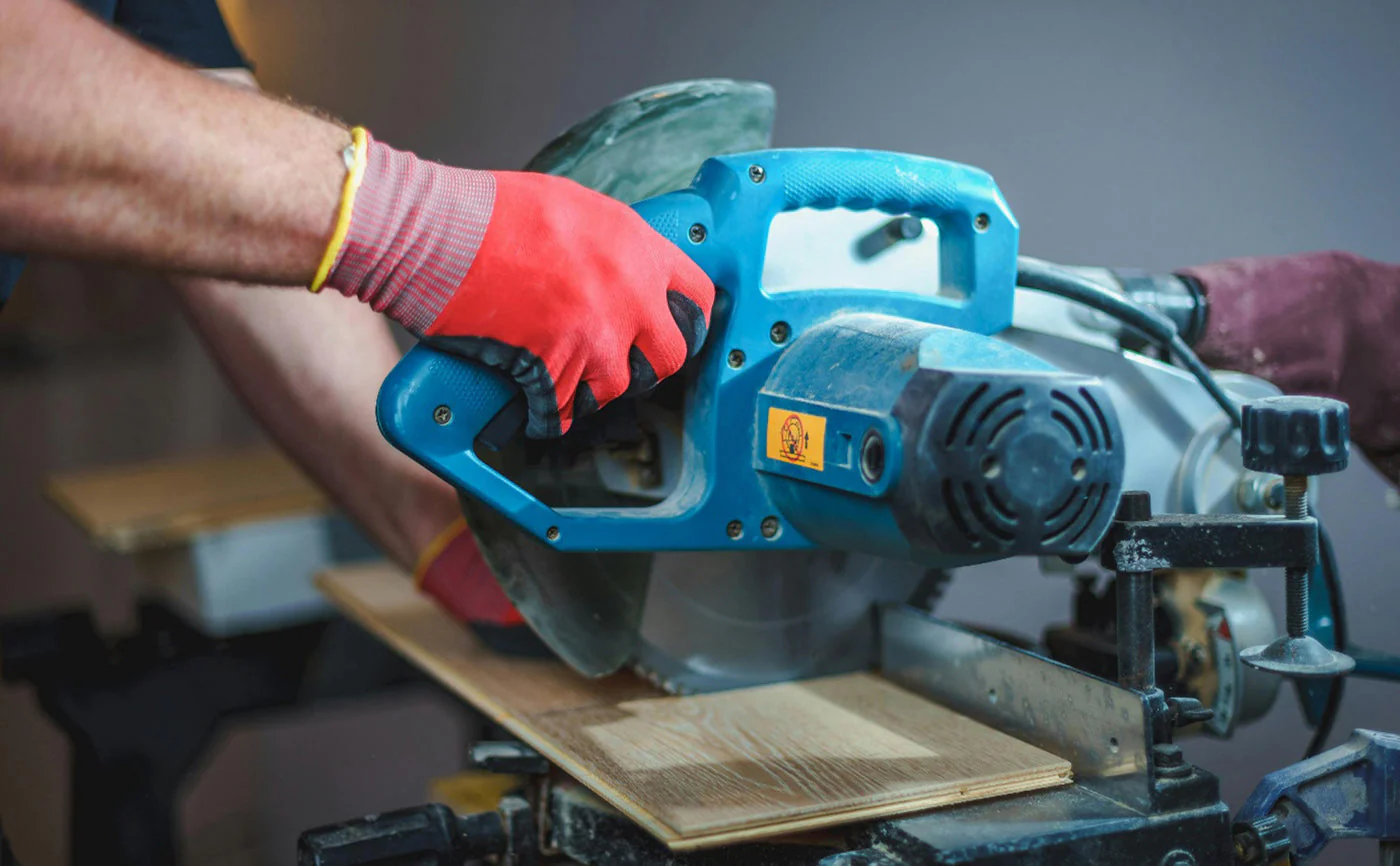
Even the best of table saws, a staple in most garages, are prone to issues now and then. As with any electric appliance, the power tool can face numerous problems with time and usage, which can be resolved with effective troubleshooting.
Owing to its functionality and mechanism, technical and hardware issues aren't uncommon, so better safe than sorry.
Aside from thoroughly reading through the user's manual, which goes without saying, the secret to your table saw's longevity is maintenance and effective troubleshooting.
So, we've laid out common issues a table saw can encounter, potential causes and solutions that'll save you time and money.
Common Table Saw Failures and Quick Solutions
Incorrect feed rate, such as forcing the blade into the material too fast or too aggressively, or using it slowly, which causes the teeth to run instead of cutting.
Saw Blade Teeth Stripping
Incorrect feed rate, such as forcing the blade into the material too fast or too aggressively, or using it slowly, which causes the teeth to run instead of cutting.
Premature Dulling of Teeth
Another prevalent issue in saw blades is caused by cutting the wrong materials, poor blade quality or overheating
Weld Breakage
Weld breakage in saw blade can be extremely frustrating, and it is often caused due to poor or incomplete bonding, wrong blade tension and repeated flexing, among other issues.
Blade Bouncing/vibrating
Also known as “chatter” or “vibration”, blade bouncing is a common issue in the machines, caused due to incorrect mechanical setup, inefficient support and improper blade speed among more factors.
Table Saw Heating Up
Any issues with the blade, fence, or even the material being cut can heat up the table saw. Below are some of the prominent issue that arise from a heated table saw and how to resolve it.
Premature Run-Out
Table saws are prone to early development of wobble, misalignment and deviation in the rotation due to issues with their parts, which could be worn out or are of low quality. Not only does a premature run-out of the machine cause inconvenience when working, but it can be a major safety hazard, too.
Saw Blade Won't Cut Square
A saw blade that doesn't cut a proper square defeats the purpose of the machine, and it can be caused due to issues with alignment, or bent or warped blade.
Rough Cut
Oftentimes, the finish of your material is compromised by a rough cut, which is caused by several factors. This can result in splintering or chipping, requiring more sanding and rework.
This article was originally published on GARVEE.com. Click to Read More.


